Level Switches: Types, Working Principles & How to Choose (2026 Guide)
If you've ever dealt with a tank overflow, a dry-running pump, or a hopper that silently ran empty mid-shift, you already know why a reliable level switch matters.
Read more
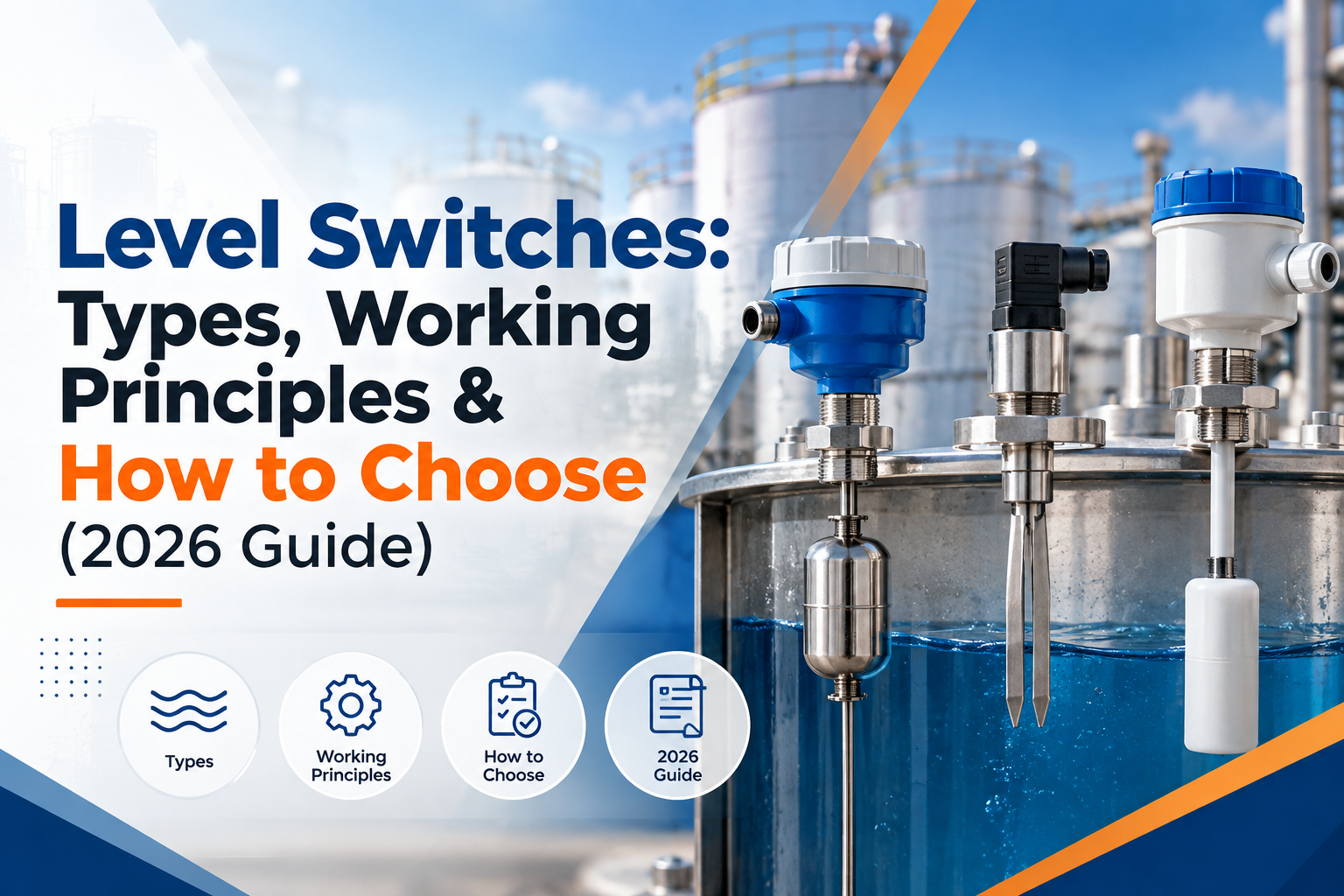
If you've ever dealt with a tank overflow, a dry-running pump, or a hopper that silently ran empty mid-shift, you already know why a reliable level switch matters.
Read more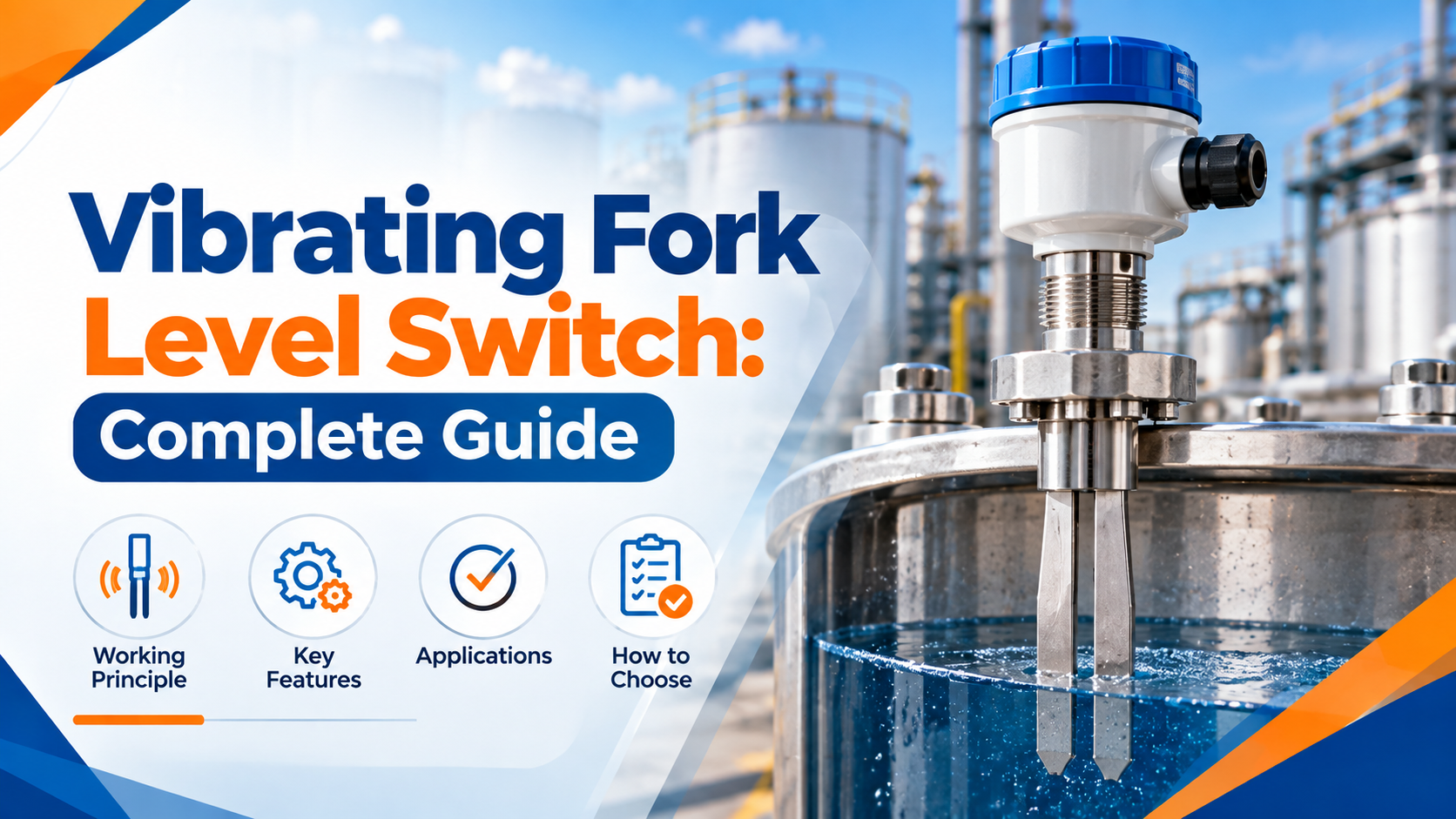
If your plant handles liquids or bulk solids, chances are you've come across a vibrating fork level switch - it's one of the most trusted point-level.
Read more
Discover 6 reliable alternatives to ultrasonic level sensors. Learn how to handle foam, dust, steam, and sticky buildup without false alarms or downtime.
Read more
Discover common industrial silo problems and learn how proper level monitoring systems can prevent overflow, bridging, downtime, and safety risks.
Read more
Learn how to choose the right level switch for powders, liquids, and solids. Compare RF, vibrating fork, rotating paddle, and conductivity switches
Read more
Learn the conductivity level switch working principle with a simple explanation. Understand electrodes, circuit detection, and industrial liquid level monitoring..
Read more
Imagine your production line grinding to a halt because a level sensor keeps triggering false alarms from sticky buildup or moisture. Coating on probes leads to unreliable readings, pumps run dry causing damage, and overfills waste materials in harsh plants.
Read more
Picture this: your plant's alarms blare falsely because sticky buildup fools the level switch, pumps run dry and burn out, or tanks overflow wasting expensive materials.
Read more